
IDIKSA is an individualized digital indicator of knowledge, of skills and abilities, which should become a generally accepted and directing tool in a world based on the integration of physical and virtual spaces.

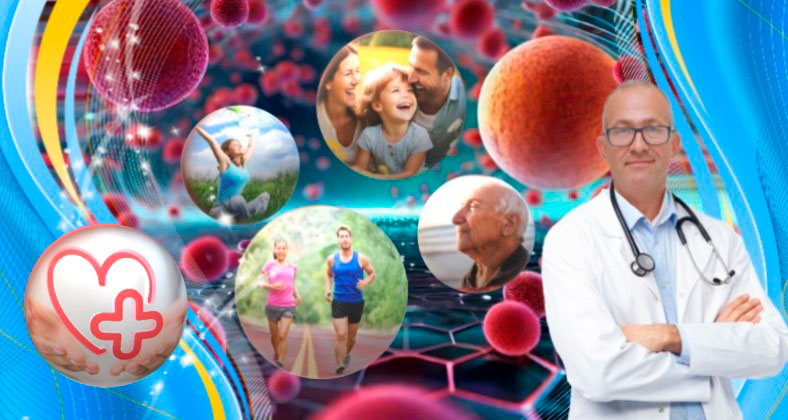
Human capital, often defined as the skills, knowledge, and attributes individuals bring to the workforce, extends beyond professional competencies. At its core, human capital encompasses the overall well-being of individuals, with health emerging as a linchpin that profoundly influences every aspect of human potential. From early childhood development to the golden years of retirement, health profoundly influences the trajectory of human capital throughout the lifecycle. Investments in healthcare, preventive measures, and wellness initiatives contribute not only to individual flourishing but also to the sustained growth of human capital over time.
The concept of health as a form of capital underscores its intrinsic value. A healthy individual is equipped with the energy, resilience, and cognitive acuity necessary to contribute meaningfully to society. Consequently, the state of one’s health becomes an essential determinant in shaping the trajectory of their human capital. Healthy individuals are not just beneficiaries of a higher quality of life; they are also powerful contributors to economic prosperity. Productivity flourishes in environments where individuals are physically and mentally robust. A healthy workforce translates into reduced absenteeism, increased efficiency, and heightened innovation – a recipe for economic growth.
Health plays a pivotal role in educational pursuits, influencing cognitive abilities and academic achievements. A robust connection exists between physical well-being and cognitive function, highlighting the significance of health as an investment in the development of cognitive capital – a key component of human capital.

In the contemporary landscape, health literacy emerges as a critical factor in maximizing the potential of human capital. Educating individuals about their health empowers them to make informed decisions, fostering a proactive approach to well-being that reverberates positively throughout their personal and professional lives.
Recognizing the symbiotic relationship between mental and physical health is paramount. Mental well-being is an integral component of human capital, influencing creativity, adaptability, and interpersonal skills. Holistic health approaches that address both physical and mental aspects are essential for optimizing human capital.
The collective health of a population is intricately linked to the overall societal capital. Robust public health measures, access to healthcare, and community well-being create an environment where human capital flourishes on a broader scale, fostering a resilient and thriving society. In a globalized world, the collective health of populations carries far-reaching implications. International economies interconnect, and the state of human capital in one region can impact others. Global initiatives that prioritize health as a universal asset contribute not only to individual nations’ prosperity but also to the advancement of humanity as a whole.
In conclusion, understanding health as the bedrock of human capital compels us to invest wisely in individual and societal well-being. As we navigate the complex challenges of the modern era, recognizing the profound impact of health on human potential becomes not just a matter of public health but a strategic imperative for shaping a future where human capital flourishes, propelling societies towards unprecedented heights of prosperity and resilience.
Copyright 2022-2026 "IDIKSA" All Rights Reserved by IDIKSA LLP