
IDIKSA is an individualized digital indicator of knowledge, of skills and abilities, which should become a generally accepted and directing tool in a world based on the integration of physical and virtual spaces.


Today, space exploration has emerged as a catalyst for economic growth. The vast expanse of space has long captivated human imagination, and as we venture beyond our planet, the impact of space exploration on the world becomes increasingly profound. The burgeoning space industry, encompassing satellite communications, space tourism, and resource extraction, has created new avenues for investment and entrepreneurship, contributing to job creation and economic diversification. As space agencies and private enterprises set their sights on ambitious missions to Mars, the Moon, and beyond, the future of space exploration holds unprecedented promise. The continued integration of space research into our global pursuits will undoubtedly influence the trajectory of human progress in the decades to come
The challenges of space exploration have driven remarkable technological breakthroughs. Innovations developed for space missions, such as satellite technology, GPS systems, and advanced materials, have found applications on Earth, revolutionizing industries and enhancing the quality of life. Space exploration expands the boundaries of human knowledge and scientific missions to celestial bodies provide insights into the origins of the universe, the formation of planets, and the potential for extraterrestrial life. These discoveries not only satisfy our curiosity but also deepen our understanding of fundamental scientific principles.
Satellites deployed for space exploration play a pivotal role in Earth observation and climate monitoring. They provide invaluable data for assessing environmental changes, managing natural disasters, and developing strategies for sustainable resource management.
Exploration of celestial bodies for potential resource utilization, such as mining asteroids for rare minerals, presents new economic opportunities. While still in the realm of future possibilities, such endeavors could reshape global resource markets.
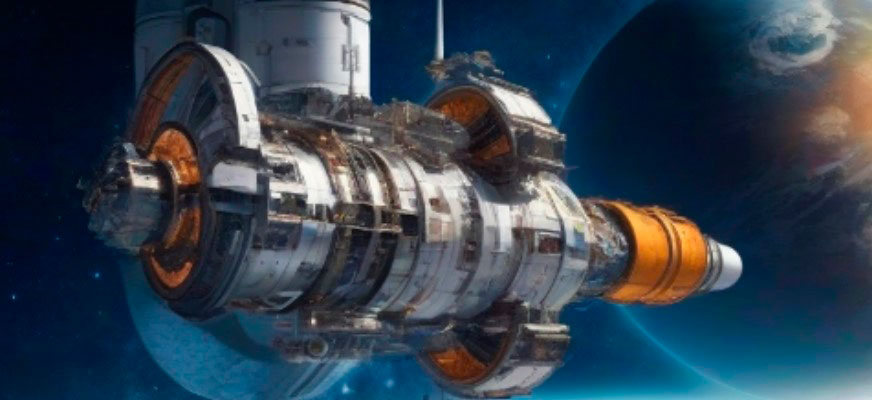
The development of technologies for space missions often results in unexpected spin-offs that benefit various industries. From medical devices to water purification systems, these innovations have practical applications beyond the realm of space exploration.
Space exploration fosters international collaboration. Joint space missions, such as the International Space Station (ISS), bring together scientists, engineers, and astronauts from around the world, promoting cooperation in the pursuit of common goals and strengthening diplomatic ties. At the same time, the increasing reliance on space technologies raises ethical considerations and challenges.
Issues such as space debris management, protection of celestial environments, and equitable access to space resources require careful consideration and international cooperation.
Space exploration stands as a testament to human ingenuity and the relentless pursuit of knowledge and serves as a source of inspiration for the next generation of scientists, engineers, and innovators. Educational programs and outreach initiatives related to space missions encourage STEM (Science, Technology, Engineering, and Mathematics) learning and instill a sense of wonder and curiosity. Beyond its scientific and technological contributions, space research weaves a tapestry that connects nations, inspires generations, and shapes the trajectory of our shared future.
As we gaze at the stars, we also gaze into a future where the impacts of space exploration continue to reverberate across the tapestry of human existence.
Copyright 2022-2026 "IDIKSA" All Rights Reserved by IDIKSA LLP