
IDIKSA is an individualized digital indicator of knowledge, of skills and abilities, which should become a generally accepted and directing tool in a world based on the integration of physical and virtual spaces.


In the dynamic landscape of modern agriculture, precision farming has emerged as not just a technological advancement but a strategic investment for businesses seeking sustainable and efficient food production.
Precision agriculture, also known as precision farming or precision ag, involves the use of technology and data-driven approaches to optimize various aspects of farming. It encompasses a range of technologies, from satellite imagery and sensors to machine learning algorithms, with the overarching goal of maximizing efficiency and sustainability. The integration of advanced technologies, such as GPS-guided equipment and autonomous machinery, streamlines various tasks, reducing labor costs and optimizing resource utilization. This enhanced efficiency translates directly to improved profitability. Businesses that embrace precision agriculture not only meet this growing demand for sustainable practices but also gain a competitive edge in the market. The ability to showcase environmentally conscious and efficient production methods can open doors to new market opportunities.
One of the key contributions of precision agriculture is its ability to enhance resource management. By precisely monitoring soil conditions, water usage, and nutrient levels, farmers can make informed decisions, minimizing waste and ensuring that resources are used judiciously. This sustainable approach aligns with the imperative to preserve our natural resources for future generations.
The heart of precision agriculture lies in data-driven decision-making. Farmers collect and analyze vast amounts of data, ranging from weather patterns to soil composition. This information empowers farmers to tailor their practices, adjusting planting schedules, irrigation levels, and fertilizer applications based on real-time insights. This not only aligns with sustainable practices but also contributes to significant cost savings in the long run. Continuous monitoring of crop health through sensors and drones allows for early detection of diseases and pests, enabling targeted interventions and reducing the need for chemical inputs.
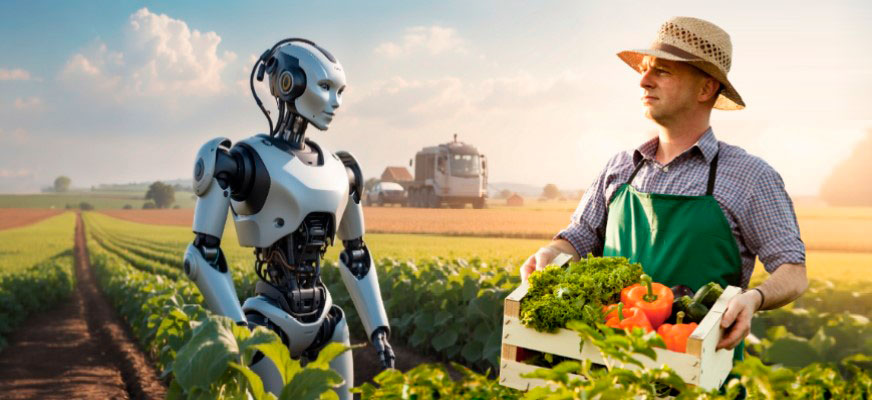
The integration of autonomous machinery and robotics is revolutionizing farming practices. From driverless tractors to robotic weeders, these technologies increase efficiency and reduce the labor-intensive nature of traditional farming. This shift not only enhances productivity but also addresses challenges related to labor shortages in agriculture.
Climate change poses significant risks to agriculture, impacting crop yields and operational stability. Precision agriculture plays a crucial role in climate-smart agriculture. By adapting farming practices to changing climatic conditions, such as altered precipitation patterns and temperature fluctuations, farmers can maintain productivity while minimizing environmental impact. This adaptability is essential for building resilience in the face of climate change.
Advancements in genetics and biotechnology complement precision agriculture efforts. Genetically modified crops designed for specific environmental conditions, resistance to pests, and improved nutrient profiles contribute to sustainable and resilient agricultural systems, ensuring food security in a changing world.
While precision agriculture presents immense opportunities, businesses must address challenges such as initial implementation costs and data security concerns. Efforts to address these challenges are crucial to ensure that farmers worldwide can benefit from the advantages of precision farming. Innovations in financing models, strategic partnerships, and robust cybersecurity measures are essential for overcoming these challenges and ensuring the long-term success of precision agriculture initiatives.
Leadership in the agribusiness sector often involves collaborative initiatives. Businesses can forge partnerships with technology providers, research institutions, and other stakeholders to drive innovation in precision agriculture. This collaborative approach not only accelerates technological advancements but also positions the business as an industry leader.
As precision agriculture becomes integral to modern farming practices, businesses can gain a strategic advantage by investing in talent and training. Ensuring that personnel are proficient in utilizing advanced technologies and interpreting data fosters a culture of innovation and positions the business at the forefront of the industry.
In conclusion, precision agriculture stands as a pathway to sustainable food security. By harnessing the power of technology and data, farmers can optimize their practices, reduce environmental impact, and meet the growing demands for food in a world facing challenges such as climate change and population growth. The integration of precision agriculture into global farming practices represents a leap towards a more sustainable and resilient future for food production. Precision agriculture is not just a technology; it is a strategic imperative for businesses in the agriculture sector. As global demands for food production intensify, businesses that invest wisely in precision agriculture are poised to not only survive but thrive in the dynamic landscape of modern agriculture.
Copyright 2022-2026 "IDIKSA" All Rights Reserved by IDIKSA LLP