
IDIKSA is an individualized digital indicator of knowledge, of skills and abilities, which should become a generally accepted and directing tool in a world based on the integration of physical and virtual spaces.

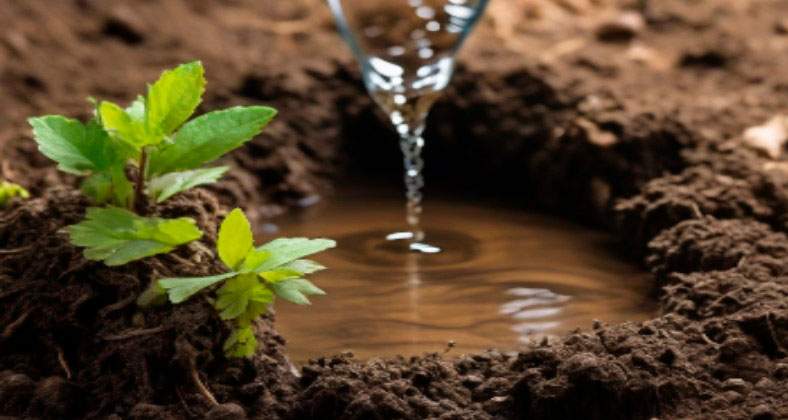
What is Healthy Soil? Healthy soil is the foundation of a thriving ecosystem. It provides the necessary support for plant growth, acting as a vital source of essential nutrients. But what exactly defines healthy soil?
Healthy soil is characterized by its ability to support abundant plant life and maintain a balanced ecosystem. It is rich in organic matter, minerals, and microorganisms that work together to create the perfect environment for plants to grow and flourish.
The key components of healthy soil include:
Organic matter: Decomposed plant and animal materials that enrich the soil and support a diverse microbial population.
Minerals: Essential nutrients like nitrogen, phosphorus, and potassium that are vital for plant growth.
Water: Adequate moisture levels that allow plants to absorb nutrients and maintain their physiological processes.
Air: Spaces within the soil that enable root respiration and create a healthy soil structure.
When these components are present in the right balance, the soil is considered healthy. It provides the necessary support for plants to develop strong root systems, access nutrients, and resist diseases and pests.
Healthy soil is the cornerstone of sustainable agriculture and plays a crucial role in food production, water filtration, and climate regulation. It is essential for maintaining a healthy and balanced ecosystem.
To understand the foundation of healthy soil, we need to explore its essential components. These components work together in perfect harmony to create an environment conducive to plant growth and soil fertility. Let’s delve into the four key components that make up healthy soil: organic matter, minerals, water, and air.
1. Organic Matter: Organic matter is the lifeblood of healthy soil. It includes decomposed plant and animal materials, such as leaves, roots, and animal waste. Organic matter improves the soil structure, enhances water holding capacity, and provides nutrients for plants.
2. Minerals: Minerals, such as potassium, phosphorus, and calcium, are essential for plant growth. These minerals come from rocks and minerals present in the soil. They are absorbed by plants through their roots, playing a vital role in their development and overall health.
3. Water: Water is crucial for maintaining soil health. It helps transport nutrients to plants and supports biological processes in the soil. Adequate water supply ensures that plants can uptake nutrients efficiently, promoting their growth and resilience.
4. Air: A well-aerated soil is essential for root development and the survival of soil organisms. Oxygen in the soil supports the growth of beneficial microorganisms that break down organic matter and release nutrients for plants to absorb. It also helps in drainage, preventing waterlogging and creating a favorable environment for plant roots.
The components of healthy soil – organic matter, minerals, water, and air – work together like a symphony, creating an ecosystem that nurtures plant growth and sustains life. The balance of these components is key to maintaining soil fertility and supporting sustainable agriculture. Take a look at the table below for a visual representation of these key components of healthy soil:
| Components | Function |
| Organic Matter | Improves soil structure, enhances water holding capacity, and provides nutrients for plants |
| Minerals | Essential for plant growth and development |
| Water | Transports nutrients to plants and supports biological processes |
| Air | Facilitates root development and supports beneficial microorganisms |
Soil conservation practices play a critical role in preserving and protecting healthy soil, preventing erosion, and maintaining its integrity for future generations. By implementing effective soil conservation techniques, we can safeguard this invaluable resource and ensure its sustainability in the face of growing environmental challenges.
Erosion poses a significant threat to soil health and productivity. When topsoil erodes, valuable nutrients are lost, leading to decreased fertility and reduced agricultural yields. Soil conservation practices, such as contour plowing, terracing, and cover cropping, help prevent erosion by stabilizing the soil and minimizing water runoff. By protecting the integrity of the soil, we can ensure its continued ability to support plant growth and provide essential nutrients for healthy ecosystems.
Soil conservation also plays a crucial role in protecting water quality. When eroded soil enters water bodies, it carries with it harmful pollutants, including pesticides and fertilizers. These pollutants can contaminate drinking water sources and harm aquatic life. By implementing soil conservation practices, such as riparian buffer zones and conservation tillage, we can reduce soil erosion and prevent the pollution of our water resources, ensuring clean and healthy drinking water for communities and preserving aquatic ecosystems.
Healthy soil is a vital habitat for numerous microorganisms, insects, and other organisms that contribute to biodiversity. Soil conservation practices help maintain the diversity of species by creating a favorable environment for these organisms to thrive. By protecting and preserving healthy soil, we support the intricate web of life that exists beneath our feet, ensuring the resilience and sustainability of ecosystems, and safeguarding the planet’s biodiversity.
Soil conservation is essential for sustainable agriculture and food production. By preventing erosion and preserving soil fertility, farmers can maintain high yields and reduce the need for synthetic fertilizers and pesticides. Implementing practices such as crop rotation, agroforestry, and organic farming methods not only protect the soil but also promote long-term agricultural productivity and resilience, ensuring food security for present and future generations. Soil conservation is not just an environmental imperative; it is a responsibility we owe to ourselves and future generations.
By protecting and preserving healthy soil, we can secure a sustainable future for our planet and ensure the well-being of both the environment and human society.
Soil erosion poses significant threats to our environment and agriculture. It is a natural process accelerated by human activities, resulting in the loss of fertile topsoil. The consequences are far-reaching, impacting food production, water quality, and overall ecosystem health. However, by implementing effective solutions, we can mitigate soil erosion and preserve healthy soil for sustainable agriculture and a thriving planet.
Soil erosion disrupts the delicate balance of ecosystems by depleting valuable nutrients, increasing sediment runoff, and compromising the stability of natural habitats. It leads to reduced soil fertility, hindering crop growth and decreasing agricultural productivity. Additionally, the eroded sediment finds its way into rivers, lakes, and oceans, polluting water sources and harming aquatic life. The severity of soil erosion is further exacerbated by factors such as deforestation, improper land management practices, and climate change.
To combat soil erosion, we need to adopt proactive measures and sustainable practices. Here are some effective solutions:
Terracing: Constructing terraces on slopes helps to slow down water runoff and prevent soil erosion. This method involves creating level platforms with ridges, providing a physical barrier to hold soil in place.
Contour Plowing: Plowing across the slope, following the contour lines, reduces the speed of water flow, minimizing erosion. By cultivating crops parallel to the lines of equal elevation, soil can retain more moisture and nutrients.
Strip Cropping: Planting different crops in alternating strips creates a protective cover that reduces the impact of wind and water erosion. The variety of crops helps to stabilize the soil, preventing excessive nutrient loss and soil degradation.
Windbreaks: Planting trees and shrubs as windbreaks along field edges and boundaries acts as a shield against wind erosion. These vegetative barriers slow down wind speed, trapping sediment and protecting the soil from erosion.
Cover Crops: Growing cover crops like legumes and grasses during fallow periods maintains soil cover, preventing erosion. These crops also enhance soil fertility, improve organic matter content, and reduce weed growth.
Conservation Tillage: Adopting reduced tillage or no-till practices minimizes soil disturbance, keeping the soil structure intact and reducing erosion risk. By leaving crop residue on the surface, conservation tillage protects the soil from natural elements and promotes water infiltration.
Preserving healthy soil is crucial for sustainable agriculture and food production. By reducing soil erosion and maintaining soil health, we can cultivate nutrient-rich crops, improve water retention, and promote biodiversity. Healthy soil helps to sequester carbon, mitigating climate change, and plays a vital role in maintaining ecological balance. It is our responsibility to protect and nurture this valuable resource for the benefit of current and future generations.
| Benefits of Mitigating Soil Erosion | Benefits of Healthy Soil |
| Prevents nutrient loss | Enhances nutrient availability |
| Reduces sediment runoff | Promotes water retention |
| Preserves soil fertility | Supports plant growth |
| Protects water quality | Fosters biodiversity |
| Improves agricultural productivity | Mitigates climate change |
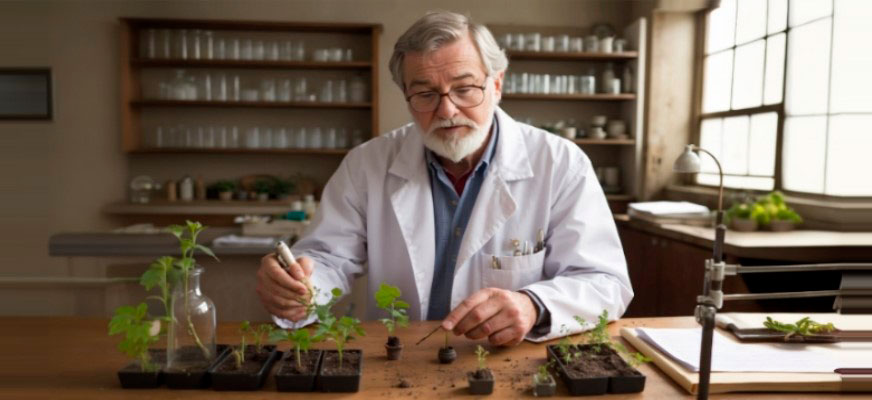
When we think of healthy soil, we often consider factors like fertility and nutrient content. However, an equally important aspect of soil health is its ability to support diverse and thriving ecosystems. In this section, we will explore the intricate relationship between soil health and biodiversity, highlighting how healthy soil provides a vital habitat for countless organisms.
Biodiversity, or the variety of life forms found within a specific ecosystem, is crucial for the overall health and functioning of our planet. Soil plays a fundamental role in supporting biodiversity, serving as a habitat for a wide range of organisms such as bacteria, fungi, insects, worms, and small mammals.
These organisms form complex and interconnected communities within the soil, contributing to essential ecological processes. For example, earthworms help to increase soil porosity and enhance nutrient cycling, while bacteria and fungi play a key role in decomposing organic matter and releasing nutrients that are critical for plant growth.
The presence of diverse soil organisms also aids in the protection against pests and diseases, as certain organisms act as natural predators or competitors. This helps to maintain a balanced and resilient ecosystem, reducing the need for chemical interventions in agriculture and promoting sustainable farming practices.
“The diversity of life in healthy soil is truly remarkable. It’s a hidden world beneath our feet that is essential for the functioning of our ecosystems.”
By prioritizing soil health, we can ensure the preservation and enhancement of biodiversity. Implementing practices such as organic farming, minimal tillage, and cover cropping can help to promote a healthy soil environment that fosters biodiversity. This, in turn, leads to more sustainable and resilient ecosystems that can adapt to environmental changes.
Understanding and appreciating the relationship between soil health and biodiversity is essential for the long-term sustainability of our planet. By valuing and safeguarding healthy soil, we contribute to the preservation of countless species and the overall balance of Earth’s ecosystems.
When it comes to enhancing soil health, there are several practices and techniques that can be implemented. These methods not only improve the fertility and structure of the soil but also contribute to sustainable agricultural practices. Let’s explore some of these effective techniques:
Crop rotation is a practice that involves growing different crops in a specific sequence on the same piece of land. By rotating crops, farmers can break pest and disease cycles, replenish soil nutrients, and reduce the risk of soil erosion. This technique helps maintain soil health by preventing the depletion of specific nutrients and promoting a diverse and resilient ecosystem.
Implementing organic farming methods can significantly enhance soil health. Organic farming avoids the use of synthetic fertilizers, pesticides, and genetically modified organisms (GMOs). Instead, it focuses on natural techniques such as composting, cover cropping, and the use of organic amendments. These methods foster the development of a rich microbial community, enhance soil structure, and promote long-term soil fertility.
Composting is a simple yet powerful technique to improve soil health. It involves the decomposition of organic matter, such as kitchen scraps, yard waste, and manure, into nutrient-rich compost. Adding compost to the soil enhances its structure, increases water-holding capacity, and provides a source of essential nutrients for plants. Composting also reduces the need for synthetic fertilizers and helps divert waste from landfills.
“By implementing practices such as crop rotation, organic farming methods, and composting, farmers can enhance soil health and promote sustainable agricultural practices.
” By implementing these practices and techniques, farmers and gardeners can enhance soil health, improve crop yields, and reduce reliance on synthetic inputs. These methods not only benefit the environment but also contribute to the production of nutritious and sustainable food. Let’s take a look at a comparison table summarizing these techniques:
| Technique | Benefits |
| Crop Rotation | Breaks pest and disease cycles, replenishes soil nutrients, reduces soil erosion. |
| Organic Farming Methods | Enhances soil structure, promotes rich microbial community, fosters long-term soil fertility. |
| Composting | Improves soil structure, increases water-holding capacity, provides essential nutrients. |
By incorporating these practices into our agriculture and gardening practices, we can contribute to the enhancement of soil health, creating a more sustainable and resilient ecosystem for future generations.
Healthy soil plays a vital role in mitigating climate change and contributes to a sustainable future by sequestering carbon and reducing greenhouse gas emissions. The ability of healthy soil to store carbon dioxide is key to climate change mitigation efforts, as it helps to offset the excess carbon in the atmosphere.
When we prioritize the health of our soil, we can effectively enhance its carbon sequestration capacities. The organic matter present in healthy soil acts as a reservoir for carbon, preventing it from being released into the atmosphere as a greenhouse gas. Additionally, healthy soil promotes the growth of plants, which absorb CO2 during photosynthesis and store it in their tissues and roots. By preserving and improving the health of our soil, we can create a natural carbon sink that helps to reduce the impact of climate change.
Moreover, healthy soil contributes to climate change mitigation by reducing greenhouse gas emissions. When soil is unhealthy and lacks proper nutrient balance, it goes through processes such as soil degradation and erosion, leading to the release of carbon and other greenhouse gases into the atmosphere. However, when soil is healthy and well-managed, it minimizes these emissions and helps to maintain a more stable climate.
Research has shown that healthy soil practices, such as cover cropping, crop rotation, and the use of organic fertilizers, can significantly reduce greenhouse gas emissions. These practices promote soil health by improving its structure, increasing organic matter content, and enhancing microbial activity, resulting in the efficient cycling of nutrients and reduced emissions.
| Country | Project | Emissions Reduction (metric tons CO2e) |
| United States | Regenerative Agriculture Initiative | 800,000 |
| Germany | Carbon Farming Project | 1,200,000 |
| Brazil | Agroforestry Program | 2,500,000 |
Table: Case studies highlighting the emissions reduction achieved through climate-smart soil management practices. These case studies demonstrate the significant potential of healthy soil in climate change mitigation. By adopting sustainable soil management practices on a larger scale, we can achieve substantial reductions in greenhouse gas emissions and make a positive impact on our planet’s climate system.
When it comes to human health, the importance of healthy soil cannot be underestimated. Our well-being, nutrition, and access to clean water sources are all directly influenced by the health of the soil in which our food is grown.
Healthy soil plays a critical role in producing nutritious food. It provides the necessary nutrients and minerals that plants need to grow and thrive. When the soil is rich in organic matter and nutrients, the crops it produces are more nutrient-dense, offering us a higher level of essential vitamins, minerals, and antioxidants. In addition to providing vital nutrition, healthy soil also acts as a natural filter for clean water sources. As water passes through the soil, it is purified and filtered, removing impurities and contaminants. This process helps to protect our water sources from pollution and ensures that we have access to clean and safe drinking water.
Furthermore, healthy soil supports overall well-being by fostering a healthy environment for beneficial microorganisms. These microorganisms play a crucial role in maintaining soil fertility and promoting plant growth. They also contribute to the decomposition of organic matter, releasing nutrients that are essential for the growth of plants.
“Healthy soil is the foundation for healthy crops, which in turn leads to healthy diets and ultimately healthy people.”
By prioritizing the health of our soil, we are not only ensuring the production of nutritious food but also promoting the health and well-being of future generations. It is crucial that we implement practices such as organic farming, crop rotation, and composting to maintain and enhance soil health.
In conclusion, the connection between healthy soil and human health is undeniable. From the nutritious food we consume to the availability of clean water sources, healthy soil is the backbone of our well-being. By recognizing its significance and implementing sustainable practices, we can ensure a healthier future for both the environment and ourselves.
– Healthy soil acts as a natural filter for planet Earth.
– It plays a crucial role in supporting plant growth and providing essential nutrients.
– Components of healthy soil include organic matter, minerals, water, and air.
– Soil conservation practices are essential for preserving and protecting healthy soil.
– Soil erosion poses a threat to soil health, but there are solutions to mitigate it.
In conclusion, our exploration of healthy soil as Earth’s natural filter has highlighted its undeniable importance in sustaining the delicate balance of our planet’s ecosystem. By prioritizing and understanding soil health, we can contribute to a sustainable future for both the environment and human society.
Healthy soil, with its rich composition of organic matter, minerals, water, and air, serves as a foundation for plant growth, providing essential nutrients and supporting a thriving ecosystem. By implementing soil conservation practices, we can prevent erosion, maintain soil fertility, and preserve this valuable resource for future generations.
Soil erosion poses a significant threat to agricultural productivity and food production. However, effective solutions such as incorporating cover crops, terracing, and contour plowing can help mitigate this problem. It is crucial to recognize that healthy soil is the backbone of sustainable agriculture, ensuring food security and promoting resilience in the face of climate change.
Moreover, healthy soil plays a vital role in fostering biodiversity, providing a habitat for countless organisms that contribute to a robust ecosystem. By adopting practices such as crop rotation, organic farming methods, and composting, we can enhance soil health, promote biodiversity, and create a harmonious relationship between the land and its inhabitants.
Copyright 2022-2026 "IDIKSA" All Rights Reserved by IDIKSA LLP