
IDIKSA is an individualized digital indicator of knowledge, of skills and abilities, which should become a generally accepted and directing tool in a world based on the integration of physical and virtual spaces.

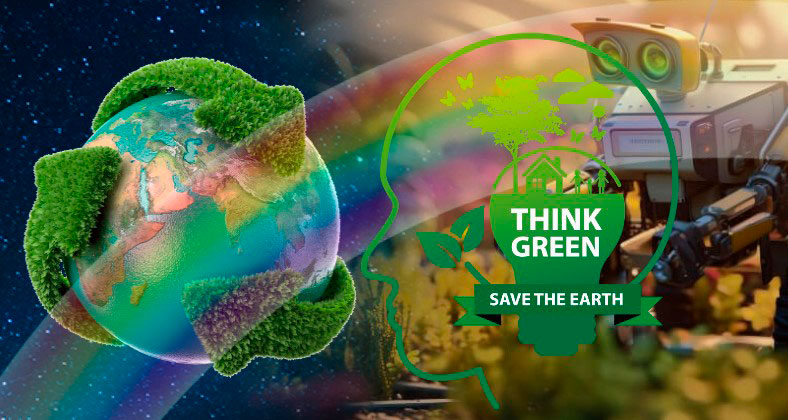
In the era of unprecedented environmental challenges, the marriage of artificial intelligence (AI) and robotics emerges as a formidable alliance capable of revolutionizing our approach to ecological issues. Artificial Intelligence, equipped with advanced analytics and machine learning algorithms, offers unparalleled precision in conservation efforts. From monitoring deforestation patterns to analyzing biodiversity shifts, AI provides actionable insights that empower environmentalists to make informed decisions for targeted conservation measures. The collaboration between AI and robotics has given rise to autonomous environmental monitoring systems. Drones equipped with sophisticated sensors can autonomously survey vast areas, collecting real-time data on pollution levels, habitat health, and climate indicators. This not only enhances the efficiency of data collection but also mitigates human risk in challenging environments, providing crucial information for evidence-based conservation practices.
Robotic systems are increasingly deployed in ecosystem restoration projects. AI-owered robots can plant trees, monitor soil health, and facilitate reforestation efforts with efficiency and precision. This accelerates the pace of ecological restoration and aids in biodiversity conservation. Underwater robotics, guided by AI, have become invaluable tools in marine conservation. Autonomous underwater vehicles equipped with AI algorithms can monitor marine ecosystems, track marine species, and assess the health of coral reefs. This technology aids scientists in understanding and preserving the delicate balance of marine environments. In urban landscapes, robotics contributes to smart waste management. AI-driven robots can navigate through complex environments, sorting and recycling materials with precision. This not only reduces the burden on landfills but also promotes a more sustainable approach to waste disposal. These technologies aids in ecosystem conservation and supports efforts to mitigate the impact of human activities on natural habitats.
AI aids scientists in predicting and understanding climate patterns. AI`s ability to process vast amounts of climate data revolutionizes climate modeling and prediction. Ecologists can utilize AI algorithms to analyze historical climate patterns, simulate future scenarios, and understand the complex interactions influencing climate change. This knowledge is crucial for implementing proactive measures to combat the adverse effects of climate change, and developing adaptive strategies to address the impacts of climate change on ecosystems.

Artificial Intelligence facilitates a deeper understanding of ecosystem services through advanced data analysis. Ecologists can use AI to assess the diverse benefits ecosystems provide, from clean water to pollination services. This knowledge is essential for crafting policies that prioritize the preservation of ecosystem services critical for human well-being. Artificial Intelligence optimizes energy consumption patterns, contributing to enhanced energy efficiency. In smart grids and energy management systems, AI algorithms analyze consumption data in real-time, allowing for dynamic adjustments and reductions in energy waste, thereby promoting a greener and more sustainable energy ecosystem.
The synergy between AI and robotics in addressing environmental challenges necessitates global collaboration. Engineers, environmentalists, and policymakers must work collaboratively to develop standardized frameworks, share data, and implement AI-driven solutions on a global scale, fostering a united front against ecological crises. At the same time, they must collaboratively address ethical concerns related to data privacy, algorithmic biases, and the potential unintended consequences of deploying AI and robotics in ecological contexts.
The integration of artificial intelligence and robotics into ecological science opens new frontiers for understanding, preserving, and restoring our planet`s ecosystems, and emerges as a revolutionary paradigm, offering unprecedented avenues for tackling pressing environmental issues. Through scientific inquiry, ethical considerations, and global collaboration, the partnership between AI, robotics, and ecological science holds the promise of shaping a more sustainable and resilient future for our planet. .
Copyright 2022-2026 "IDIKSA" All Rights Reserved by IDIKSA LLP